Calibrated 3R optics
A 905 nm medical-grade laser, calibrated to incise the capillary layer without contacting the skin. A single-use cap shields the optics and prevents cross-contamination between draws.

The HandyRay range, the flagship
A needle-free laser lancing device for capillary blood sampling, built for clinical use. It does the job of the single-use lancet: up to 50,000 lances per unit, no sharps waste, and a better experience at the point of testing.
How it works
The patient rests a fingertip against the tip. Press the trigger to fire the laser, which produces a precise micro-incision in the capillary layer at the speed of light. No needle contact, just a single-use cap to swap between draws.
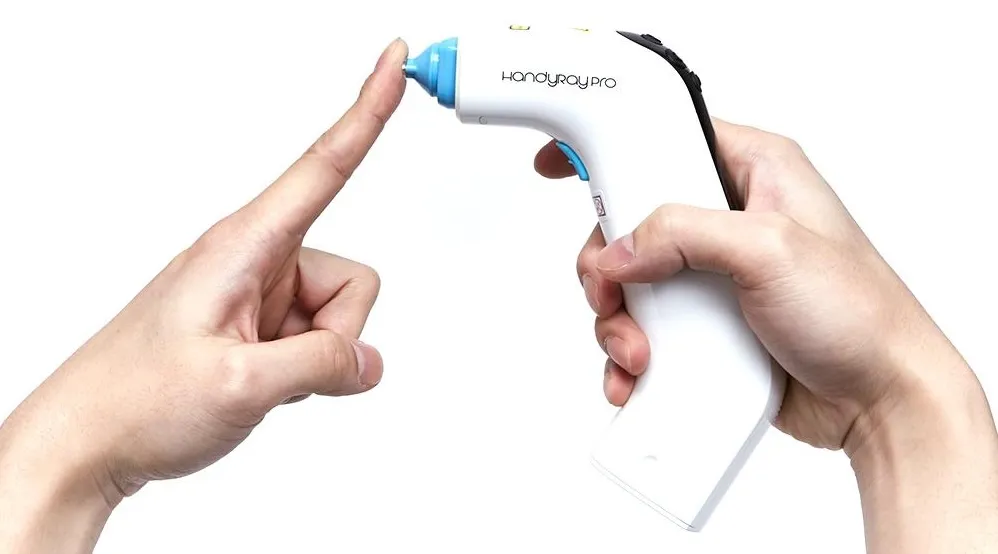
A 905 nm medical-grade laser, calibrated to incise the capillary layer without contacting the skin. A single-use cap shields the optics and prevents cross-contamination between draws.
Five energy settings (150–270 mJ ±20%) span paediatric, adult and frequent-draw sample volumes. One device covers the full clinical range.
Non-contact emission removes cross-contamination risk between patients. No needles to dispose of, no sharps container to manage, no end-of-day biohazard handling.
A handheld instrument that drops into existing phlebotomy and POCT workflows. Rechargeable, docked between uses, ready in under two seconds.
The device
HandyRay-Pro is a needleless laser lancing device for use in hospitals, POCT centres and GP surgeries, collecting peripheral blood via a medical-grade laser rather than a single-use steel point. A single rechargeable unit delivers up to 50,000 lances, removing the lancet procurement, sharps disposal and needlestick-injury chain in one move.
Specifications
Full technical specifications, IFU and regulatory documentation available on request.
A clinical bonus
Unlike a needle, the laser's heat cauterises the micro-incision as it's made. The capillary seals immediately, reducing the risk of infection and shortening healing time — a meaningful difference for paediatric, diabetic and frequent-draw patients who lance the same fingertips day after day.
Discussed in the manufacturer clinical study summary — see the clinical evidence.
Designed for
HandyRay-Pro is intended for repeated daily use across acute, primary and point-of-care settings. A single unit serves a clinic for a typical five-year duty cycle.
Evaluate it
We arrange clinical demonstrations, evaluation loans and procurement quotes for NHS Trusts and private clinics across the UK. Tell us your caseload and we will route you to the right team within one working day.
Regulatory
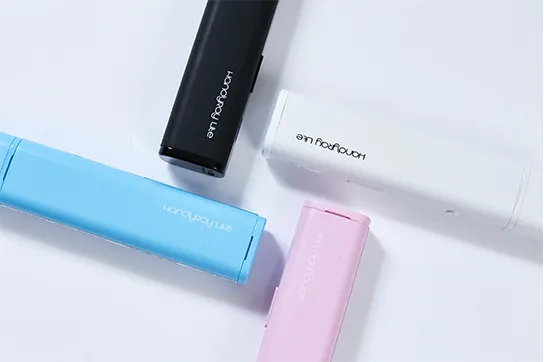
Also in the range
The same laser-lancing technology, re-engineered to be portable, affordable and user-friendly. For diabetic patients managing daily testing, and point-of-care settings that need a smaller footprint than the flagship.